While scrolling through Instagram, I came across this quote:
“Most people don’t choose their beliefs. They inherit them… and then they call it truth.” — @reasoned_reality
It sparked a question: Would I still believe what I believe if I were born elsewhere?
That question is the beginning of a spiritual awakening. Yet in Africa, such introspection is often discouraged, even though it’s essential. Because the truth is, most people didn’t choose their religion; they inherited it. My intention isn’t to reject faith, but to understand it more deeply.
This is an invitation to reflect on belief, identity, and truth, through the lens of Africa’s spiritual heritage, which was interrupted, not erased.
Most people follow the religion of their region or family, not because they explored every option, but because it was embedded in their upbringing. This isn’t divine destiny. It’s cultural conditioning.
In Africa, that conditioning came through foreign hands. Christianity and Islam did not grow organically from African soil. They arrived with conquest, commerce, and colonization. Bibles and Qur’ans in one hand, chains and treaties in the other.
Christianity came with colonialism. Islam came through trade, war, and slow assimilation. Both systems eventually demanded not just belief, but the surrender of language, rituals, and ancestral wisdom. Today, many Africans defend these religions as though they were always ours.
But what happens when the faith you inherited clashes with the wisdom of your ancestors?
That tension is called cognitive dissonance. When what you were taught no longer fits with what you sense to be true. You may begin to ask:
• If God is love, why was this God introduced through slavery and colonization?
• If my ancestors built civilizations, why are their beliefs now called demonic?
• If my religion is the only truth, what about billions of others?
These aren’t rebellious questions. They are liberating ones.
To question dogma is not to destroy faith. It is to seek truth. Dogma silences. Truth invites inquiry. Religion was used to control bodies and minds, especially in Africa, where it served empire long before it served spirit.
So we ask:
Did the Creator, uMdali, uMvelinqangi, make a mistake by creating diverse African languages, customs, and spiritual paths? Or did empire fail to understand their sacred value?
NgeSintu:
Ingabe uMdali wenza iphutha ngokusidala singefani ngezinkolo, izilimi namasiko? Noma ingabe umbuso wawungeke uqonde ukuhlakanipha kokwehluka kwethu?
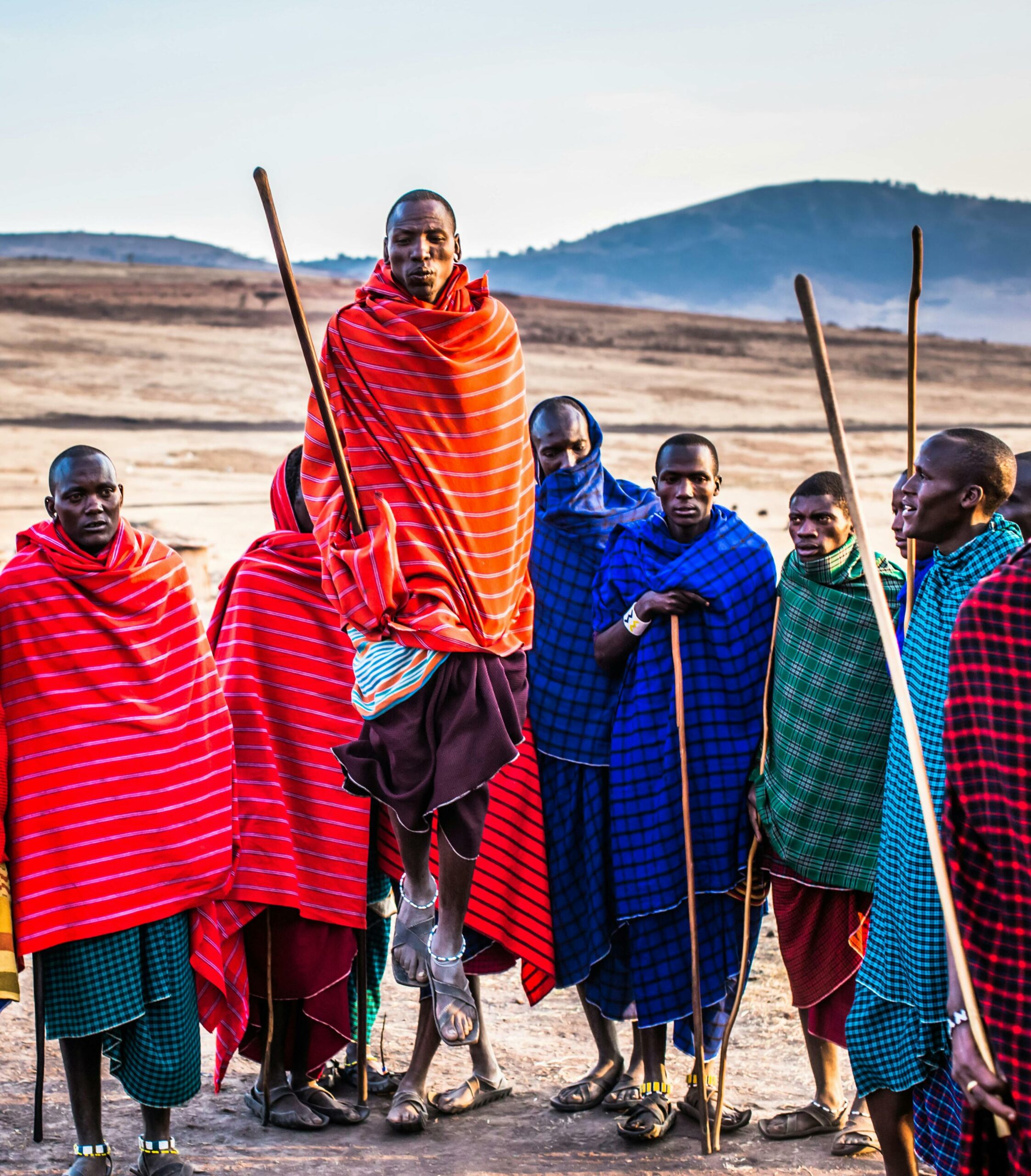
Our ancestors weren’t lost or primitive. They were astronomers, healers, cosmologists, living in harmony with nature and the unseen. Their spirituality wasn’t “paganism.” It was Ubuntu in practice: reciprocity, balance, and sacred interdependence.
They lived truth. They didn’t fear it.
But missionaries called it witchcraft. Imams called it shirk. Colonizers outlawed it. And eventually, we too began to fear the wisdom of our own elders.
Is that divine will, or the residue of borrowed chains?
Today, many kneel in churches, where African drums were once banned and bow in mosques, where ancestral names are seen as impure.
This is not a call to abandon your faith. It’s a call to question what you’ve been told about it. Ask yourself:
Am I living my truth, or just repeating what I inherited?
Ngiphilile yini iqiniso lami, noma ngiphindaphinda nje engakuthola?
African liberation is incomplete without spiritual decolonization. Because what we believe shapes how we see ourselves—and how we treat each other.
Ask the questions. Let them challenge you. Let them guide you back to something deeper, older, and truly yours.
“Iqiniso alikwesabi imibuzo. Kuphela amaqiniso anesidingo sokuthula okungapheli.”
(Truth does not fear questions. Only dogma demands silence.)
Finally, consider this:
If you were created African, with ancient wisdom and sacred language older than scripture:
Do you truly believe the Creator made a mistake?
Or have you simply been taught to doubt the divine within yourself?
✊🏾 With respect and solidarity,
For fellow seekers everywhere.
Thokozani.